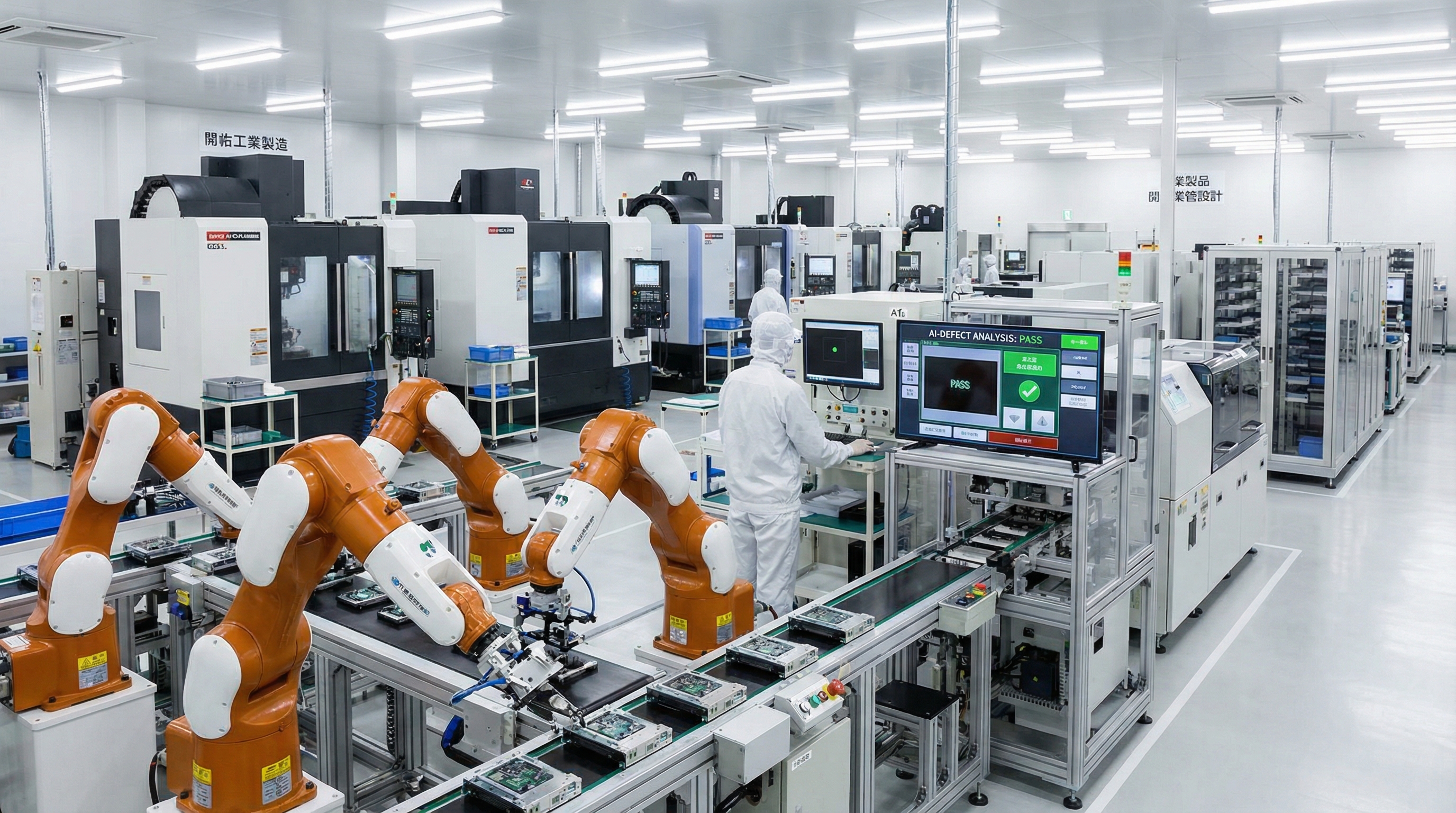
Japan's approach to manufacturing excellence has always been distinctive. The same culture that produced the Toyota Production System, kaizen, and monozukuri (ものづくり) philosophy is now being applied to digital transformation — and the results are worth studying.
While many APAC enterprises rush to deploy AI and automation broadly, Japanese manufacturers are taking a different path. They insist on understanding before automating. And that insistence is producing more durable results.
The DX Imperative in Japan
Japan's digital transformation (DX, デジタルトランスフォーメーション) landscape is driven by a unique set of pressures. METI's DX Report warned of a "2025 cliff" — the risk that legacy systems would become unmaintainable, leading to economic losses of up to ¥12 trillion annually.
The aging workforce compounds the challenge. Japan's manufacturing sector faces critical knowledge transfer issues as experienced engineers retire and the working-age population shrinks. The processes these engineers manage — quality assurance, regulatory compliance, supplier management — are often documented in their heads, not in systems.
But Japanese manufacturers aren't responding to these pressures with panic deployments. They're responding with characteristic discipline.
The Japanese Approach: Three Principles
Deep Process Understanding First
Before any automation project begins, Japanese manufacturers insist on mapping the process in detail — not just the documented process, but the actual process, including the informal decisions, workarounds, and judgment calls that have accumulated over decades.
This investment in understanding seems slow at first. But it prevents the most common failure mode of automation projects: automating the wrong thing, or automating the right thing in the wrong way.
We've worked with manufacturers in Osaka and Nagoya who spend 4-6 weeks on process mapping before writing a single line of code. The result is automation that actually works the first time, because it reflects how work actually happens — not how a process document says it should happen.
Accuracy Over Speed
In many enterprise AI deployments, speed is the primary metric. Process faster, cycle faster, deliver faster. Japanese manufacturers add a constraint: accuracy must not decrease. Period.
This means tolerating a slower deployment cycle in exchange for a system that handles edge cases correctly, that doesn't fail silently when it encounters an unusual document, and that produces results that quality engineers can trust without re-checking.
The practical consequence: Japanese manufacturing AI deployments often have higher initial setup costs but significantly lower ongoing correction costs. The total cost of ownership is typically lower, not higher.
Incremental Deployment
Rather than big-bang implementations, Japanese manufacturers prefer phased approaches — prove the system works in one product line, one factory, or one document type before expanding. Each phase has clear success criteria that must be met before the next phase begins.
This is kaizen applied to digital transformation: continuous improvement through small, validated steps rather than revolutionary leaps.
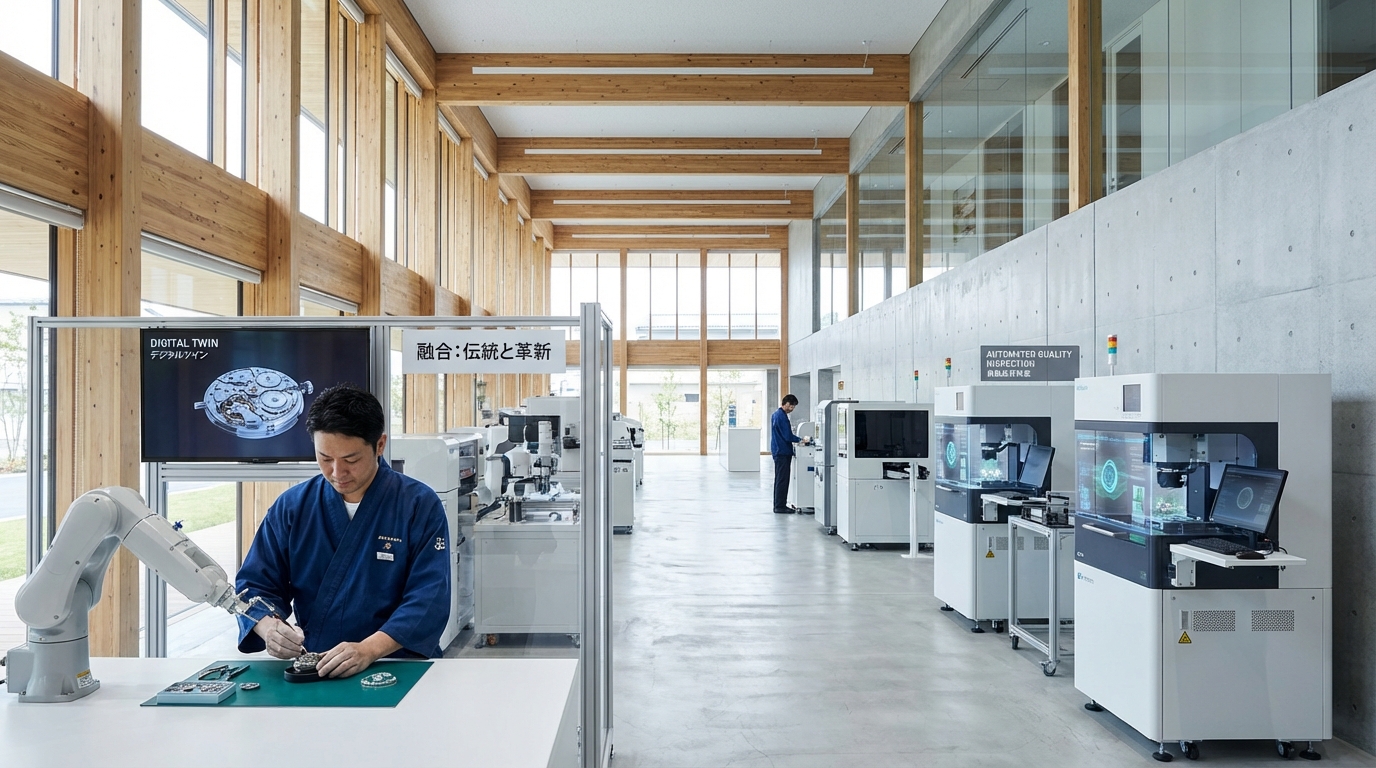
What the Rest of APAC Can Learn
These principles aren't culturally exclusive. They're operationally sound. The manufacturers across Southeast Asia who are achieving the best automation results are, often unknowingly, following similar patterns:
Understand before automating. The time you spend mapping how work actually happens — not how the process document says it happens — is never wasted.
Measure accuracy, not just speed. Processing invoices 80% faster is meaningless if the error rate doubles. Measure the complete picture.
Start small and prove. Don't try to automate everything at once. Pick one high-value process, prove it works, and expand from there.
The discipline isn't glamorous. It doesn't make for exciting conference presentations. But it's what separates automation projects that deliver lasting value from ones that become expensive shelfware.