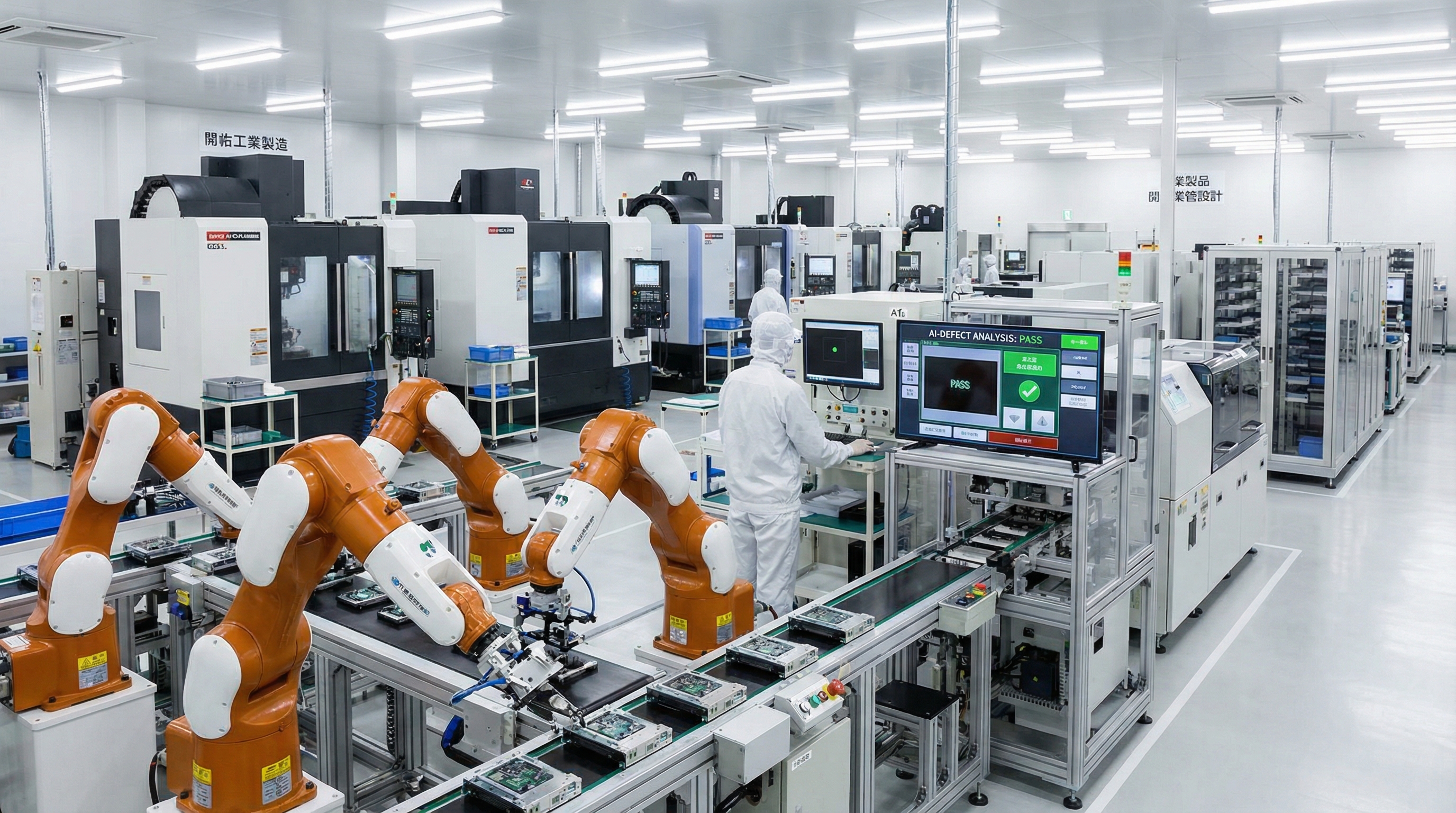
When people think of AI in manufacturing, they picture robotic arms, computer vision on assembly lines, and predictive maintenance sensors. These are real and valuable applications. But they're not where most manufacturers are losing the most time and money.
The biggest operational inefficiencies in manufacturing aren't on the production floor. They're in the document-heavy, approval-laden processes that connect procurement to production to quality to shipping to finance -- and the manual workflows that hold it all together with spreadsheets, emails, and tribal knowledge.
Where Manufacturing Operations Actually Break Down
A typical APAC manufacturer processes thousands of purchase orders monthly. Each PO generates a cascade of documents: quotes, order confirmations, shipping notices, delivery receipts, quality certificates, and invoices. In most organizations, these documents are processed manually at every stage.
This is where 60-70% of operational processing time goes -- not in production, but in the administrative workflows surrounding it.
The quality side is just as demanding. Manufacturing quality isn't just about good products. It's about proving you make good products -- through documentation, certifications, audit trails, and regulatory filings. For manufacturers in automotive, aerospace, food and beverage, or medical devices, the compliance documentation burden is enormous. And most of it is still done manually, consuming skilled quality engineers' time on paperwork instead of actual quality improvement.
Then there's cross-border complexity. A Japanese manufacturer might source materials from Thailand, produce components in Vietnam, assemble in China, and ship to customers across the region. Each border crossing generates documentation requirements, each jurisdiction has different tax and customs rules, and each factory runs different systems. The operational overhead compounds fast.
The Japanese Manufacturing Perspective
Japanese manufacturers bring a unique lens to this challenge. The discipline that produced the Toyota Production System, kaizen, and monozukuri philosophy is now being applied to digital operations.
What we've observed working with Japanese manufacturers is that they won't compromise. They insist on deep process understanding before any automation begins. They demand accuracy over speed. And they prefer incremental deployment over big-bang projects -- proving results at each step before expanding.
These instincts are sound. They're the same principles that separate successful manufacturing automation from expensive shelfware, regardless of geography.
The Opportunity
The gap between production-floor sophistication and back-office reality is widening. Manufacturers who close it -- by bringing intelligent automation to their document-heavy, decision-rich operations -- gain advantages that compound over time: faster cycle times, fewer errors, better compliance posture, and operational data that actually drives decisions.
The factory floor may be where products are made. But the operations surrounding it are where manufacturing efficiency is won or lost. DataSan helps manufacturers close that gap.