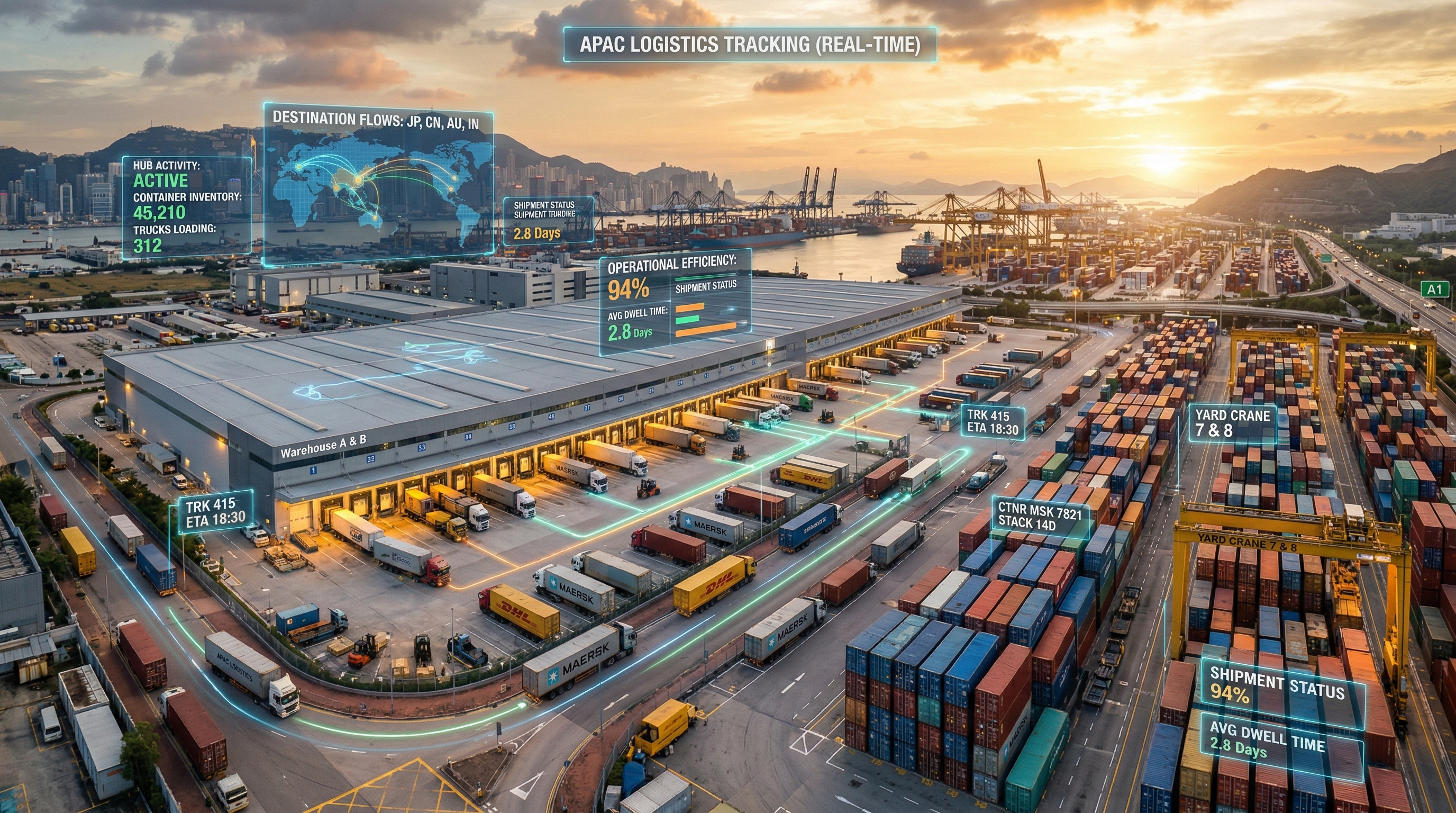
For the past decade, "supply chain visibility" has been the rallying cry of APAC logistics and operations leaders. And for good reason -- you can't optimize what you can't see. But visibility alone is no longer enough.
The enterprises pulling ahead aren't just tracking shipments. They're anticipating exceptions before they happen, and turning supply chain data into operational intelligence that drives decisions across the entire organization.
The Visibility Plateau
Most APAC enterprises have invested in some form of supply chain visibility -- dashboards that show where shipments are, how inventory levels look, and which orders are behind schedule. This was a significant step forward from the spreadsheet-and-email approach that dominated even five years ago.
But visibility is reactive. It tells you what happened or what's happening now. It doesn't tell you what's about to happen or what to do about it.
Consider a typical APAC trading company processing 500+ shipments monthly across 6 countries. Their visibility dashboard shows a container is delayed at port. But what it doesn't show is which downstream processes are affected, which invoices need adjustment, which compliance deadlines are at risk, which customers need proactive communication, and what the financial impact will be.
This is the gap between visibility and intelligence.
The Complexity That Makes APAC Different
APAC supply chains are uniquely difficult to manage. The region's regulatory landscape is fragmented -- what's compliant in Singapore may not pass muster in Indonesia. Thai customs requirements differ from Vietnamese ones. Japanese import regulations have their own complexity entirely.
On top of regulatory fragmentation, APAC supply chains generate enormous volumes of documents in multiple languages -- bills of lading, commercial invoices, packing lists, certificates of origin, customs declarations, delivery orders. In most organizations, these documents are still processed manually at each stage, with data re-keyed between systems. Every manual handoff is a chance for errors, delays, and lost visibility.
This complexity is both the challenge and the opportunity. Organizations that can operate intelligently across multiple languages, regulatory regimes, and business customs are building capabilities that competitors in simpler markets can't easily replicate.
From Visibility to Prediction
The next frontier is predictive. Instead of reacting to problems after they surface, leading organizations are connecting operational data across systems to anticipate disruptions and respond before they cascade.
This shift -- from "what happened" to "what's about to happen" -- changes the economics of supply chain operations. Problems caught early are cheaper to resolve. Customers notified proactively maintain trust. Compliance issues flagged before submission avoid rejections and delays.
The enterprises that make this shift will be the ones defining how APAC supply chains operate for the next decade. Visibility got you to the table. Intelligence is what keeps you there.
DataSan helps APAC enterprises make that leap.