Every January brings a flood of AI predictions — most of them written by people selling AI platforms, most of them wrong within twelve months. Rather than adding to the noise, here's what we think actually matters for enterprise operations in APAC this year.
These aren't predictions about what's technically possible. They're predictions about what enterprises will actually deploy, based on what we're seeing in conversations and projects across the region.
1. Agentic Workflows Go Enterprise
The concept of AI agents — systems that can plan, execute, and iterate on multi-step tasks — has been maturing in the consumer space. In 2025, this pattern reaches enterprise operations.
What this means in practice: instead of AI that processes one document at a time, you'll see AI that manages entire workflows. An agentic invoice processing system doesn't just extract data from an invoice — it identifies the vendor, checks if a PO exists, matches the amounts, identifies discrepancies, routes exceptions to the right person, and follows up on pending approvals.
The distinction matters because most current enterprise AI operates in single-step mode: extract data, then hand off to a human. Agentic workflows handle the multi-step logic that currently requires human coordination. Not judgment — coordination. The human still makes the judgment calls. The system handles the orchestration between them.
2. Compliance-as-Code Becomes Mainstream
APAC enterprises operating across multiple regulatory jurisdictions have traditionally managed compliance through manual processes and local expertise. In 2025, we expect significant adoption of compliance rules encoded as machine-readable logic.
This isn't about AI generating compliance rules (though that's coming). It's about representing known compliance requirements — tax rules, reporting standards, document requirements, verification procedures — as structured code that can be applied automatically, updated centrally, and audited systematically.
The trigger is regulatory volume. When you're tracking compliance requirements across six APAC markets, each changing quarterly, manual tracking fails. Encoded rules scale.
3. The Intelligence Layer Becomes Standard Architecture
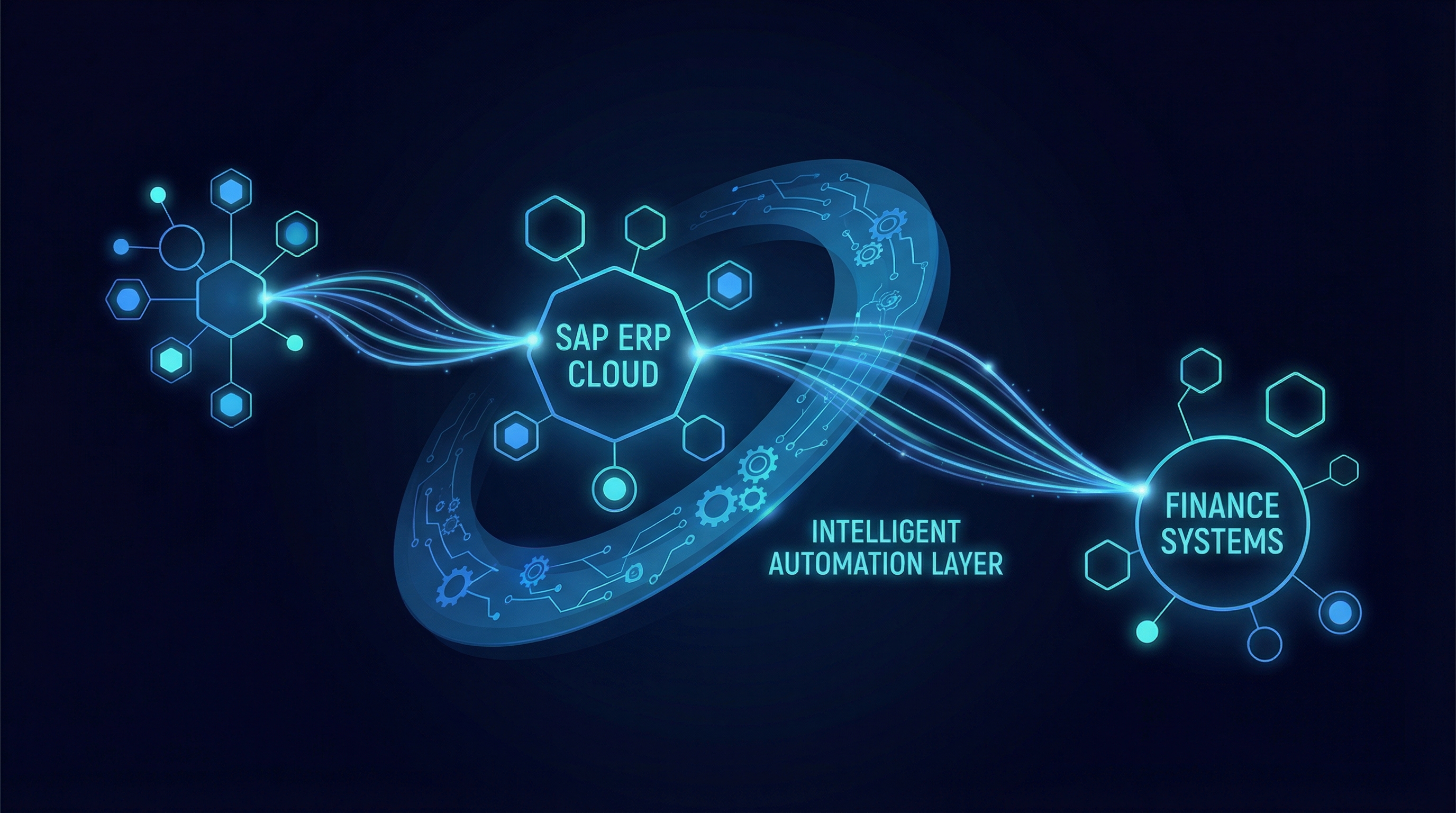
In 2024, the concept of an intelligence layer — AI that sits between existing systems rather than replacing them — was novel enough to require explanation. In 2025, it becomes the expected architectural pattern for enterprise AI deployment.
This shift matters because it changes procurement conversations. Instead of multi-year platform evaluations, enterprises will evaluate intelligence layer providers based on integration speed, processing accuracy, and operational impact — measured in weeks, not quarters.
4. Document AI Reaches 95%+ Accuracy on APAC Documents
Multi-language document processing in APAC has historically been the weak point of enterprise AI. In 2025, improvements in model capabilities and APAC-specific training data will push extraction accuracy above 95% for standard document types across major APAC languages.
The practical impact: the remaining human effort shifts from data extraction (which the system handles) to exception management (which requires judgment). This changes the staffing model from large teams doing routine processing to smaller teams handling complex cases.
5. The Mid-Market Catches Up
Until now, enterprise AI in APAC has been primarily adopted by large enterprises with dedicated technology teams. In 2025, we expect the mid-market to accelerate adoption, driven by:
- Falling deployment costs as intelligence layer products mature
- Demonstrated ROI from early adopters reducing perceived risk
- Talent availability improving as more practitioners gain deployment experience
- Competitive pressure as mid-market companies face automation-enabled competitors
The mid-market opportunity is significant. These companies often have the same operational pain as large enterprises — manual document processing, compliance complexity, multi-system environments — but without the budget for multi-year transformation programmes.
What This Means for Operations Leaders
The through-line across all five trends: enterprise AI is becoming more practical, more accessible, and more focused on operational impact. The era of AI as a strategic initiative — long timelines, large budgets, uncertain outcomes — is giving way to AI as an operational tool — short timelines, measured outcomes, proven patterns.
The winners in 2025 won't be the companies with the most ambitious AI strategies. They'll be the ones who deployed their first three workflows and are already scaling.