
Singapore has positioned itself as Southeast Asia's AI capital. The Smart Nation initiative, IMDA's AI Verify framework, and the National AI Strategy 2.0 have created something unusual in APAC: a government that's actively building the rails for enterprise AI adoption.
Most enterprises operating in Singapore haven't noticed. Or if they have, they're not acting on it.
The Infrastructure That's Ready and Waiting
Singapore's AI governance infrastructure is mature by any global standard. The AI Verify framework provides a testing toolkit for responsible AI. PDPA guidelines include specific provisions for AI-driven data processing. MAS has published detailed guidance for AI in financial services. IMDA offers sandbox environments for AI experimentation.
But talk to operations teams inside Singapore-based enterprises and you'll hear a familiar refrain: "We're still figuring out our data strategy." Meanwhile, other enterprises in the same regulatory environment are already deploying AI-powered workflows — not because they have better data, but because they started with workflows instead of strategy decks.
PDPA and AI — The Practical Reality
The Personal Data Protection Act is often cited as a barrier to AI adoption in Singapore. In practice, it's more of a design constraint than a blocker. The key provisions — consent requirements, purpose limitation, data minimisation, and the right to access and correction — are addressable through proper system architecture.
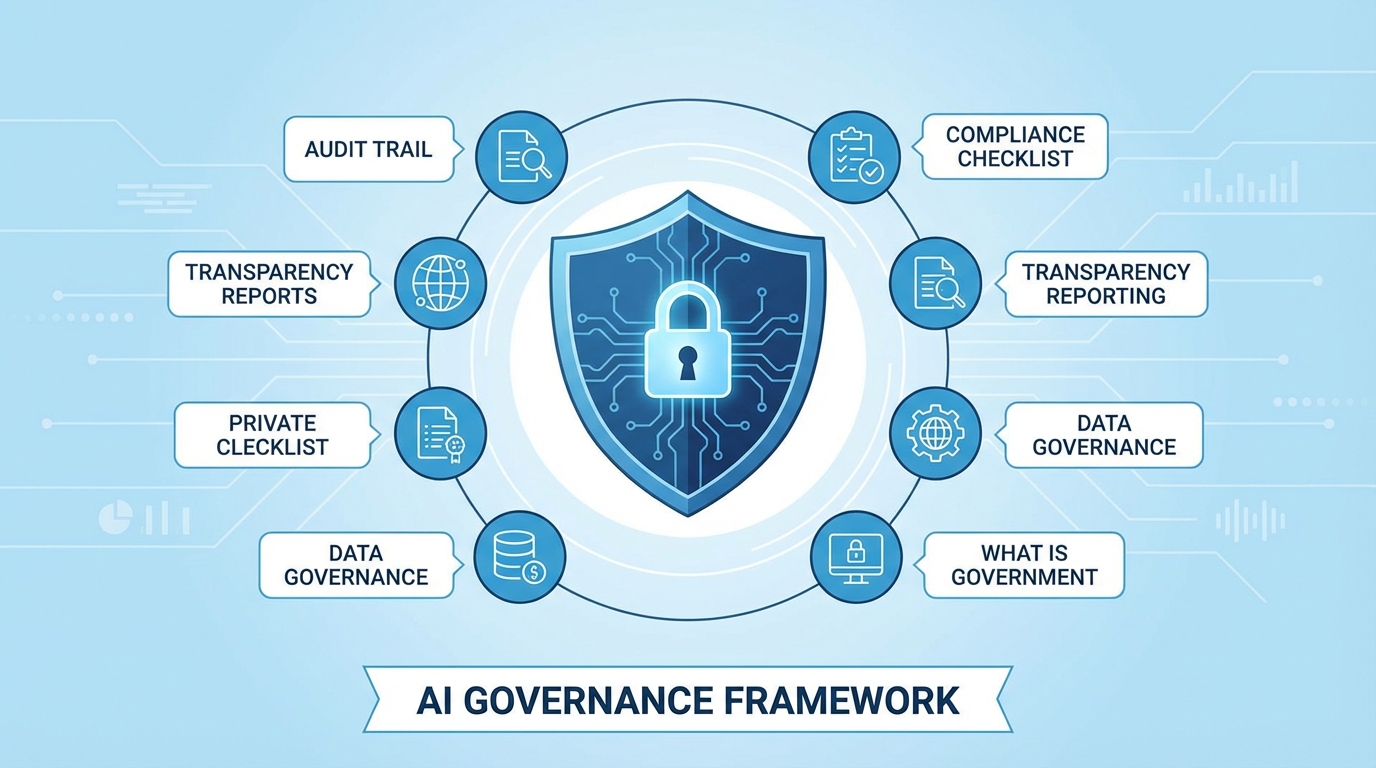
The enterprises that struggle are the ones trying to retrofit privacy compliance onto AI systems built without it. The ones moving fast designed for PDPA from day one — building audit trails, consent management, and data minimisation into their automation workflows.
This isn't unique to Singapore. Across APAC, the regulatory patchwork — PDPA in Singapore, APPI in Japan, PDPD in Vietnam, PDPA in Thailand — means any multi-market AI deployment needs compliance built into its architecture, not bolted on after.
What Smart Enterprises Are Actually Doing
The enterprises getting the most value from Singapore's AI infrastructure share three characteristics.
They start with operations, not strategy. Instead of year-long AI roadmaps, they identify a specific operational bottleneck — invoice processing, compliance documentation, vendor reconciliation — and deploy a working automation in weeks.
They treat compliance as a feature, not a constraint. PDPA compliance, audit traceability, and governance controls are designed into the workflow from the start. This actually accelerates deployment because stakeholder approvals move faster when compliance is built in.
They build for APAC complexity from day one. A workflow that works in Singapore needs to handle documents in Mandarin, Malay, Tamil, Japanese, and Thai. It needs to accommodate different regulatory regimes across markets. The enterprises that plan for this upfront avoid costly rework when they scale regionally.
The Window Is Open
Singapore's regulatory clarity is a genuine competitive advantage for enterprises ready to move. While other APAC markets are still defining their AI governance frameworks, Singapore enterprises have clear guidelines to build against.
The question isn't whether AI will transform enterprise operations in Singapore. It's whether your organisation will be the one deploying it — or the one still writing the strategy deck when the market has already moved.
Operating in Singapore and exploring AI for your enterprise workflows? Let's talk about what's practical.
Related Reading
- Enterprise AI Without the Rip-and-Replace — Why layering intelligence onto existing systems beats wholesale replacement.
- Japan's DX Revolution — Lessons from Japan's government-led Digital Transformation initiative.
- Supply Chain Intelligence in APAC — How multi-market complexity shapes AI deployment across the region.
- Explore our solutions — AI Document Intelligence, Workflow Automation, and Compliance Architecture.